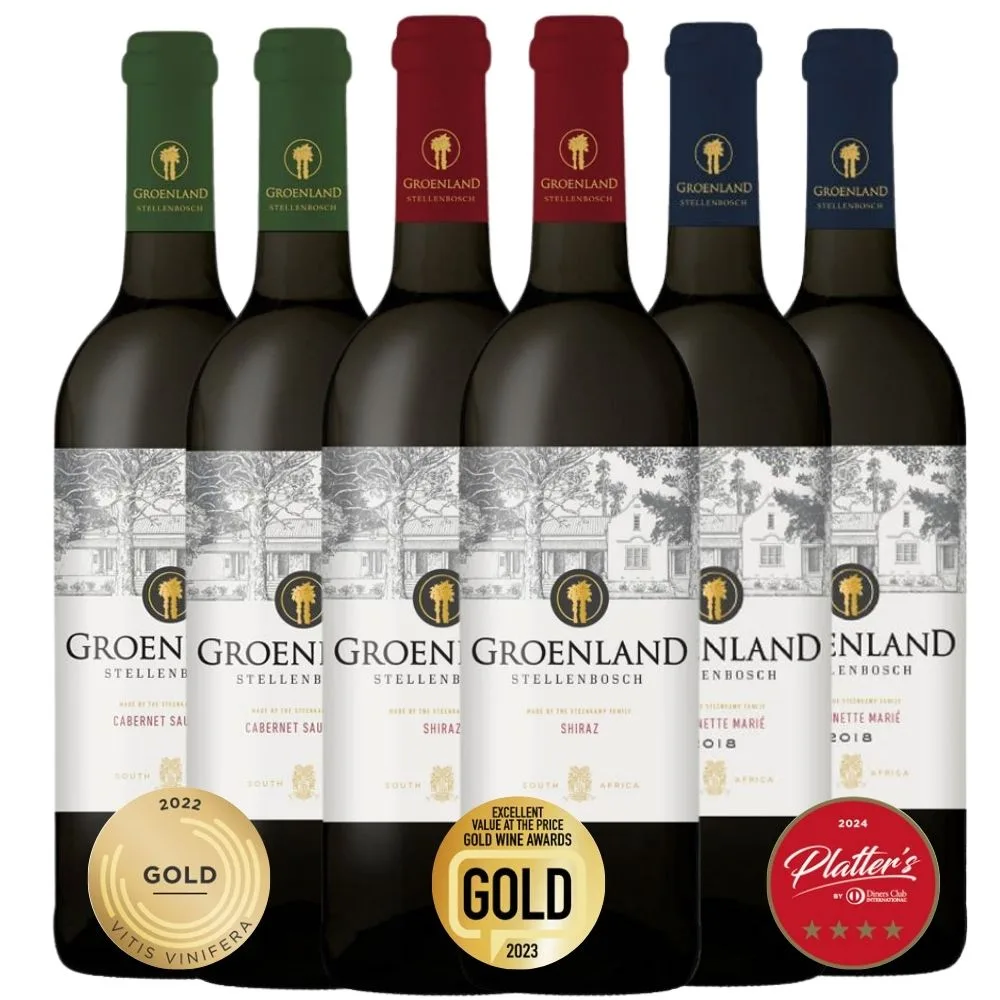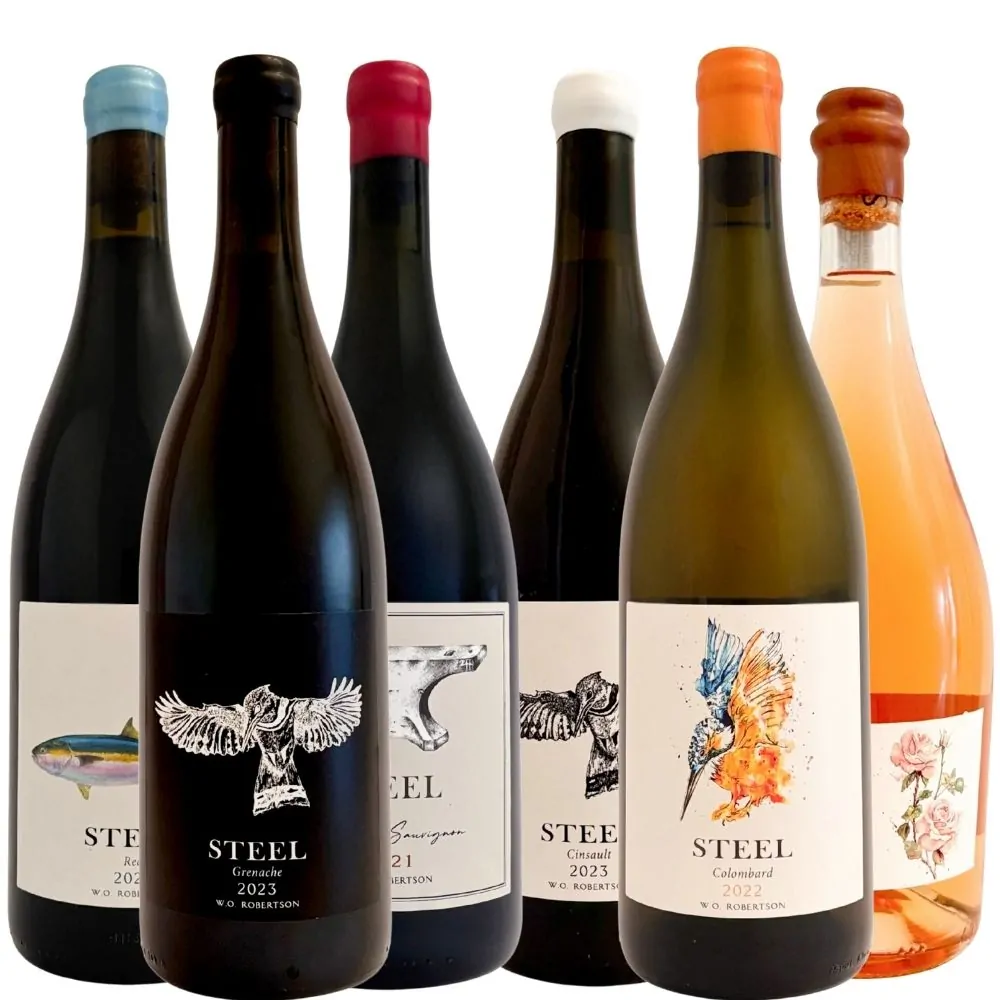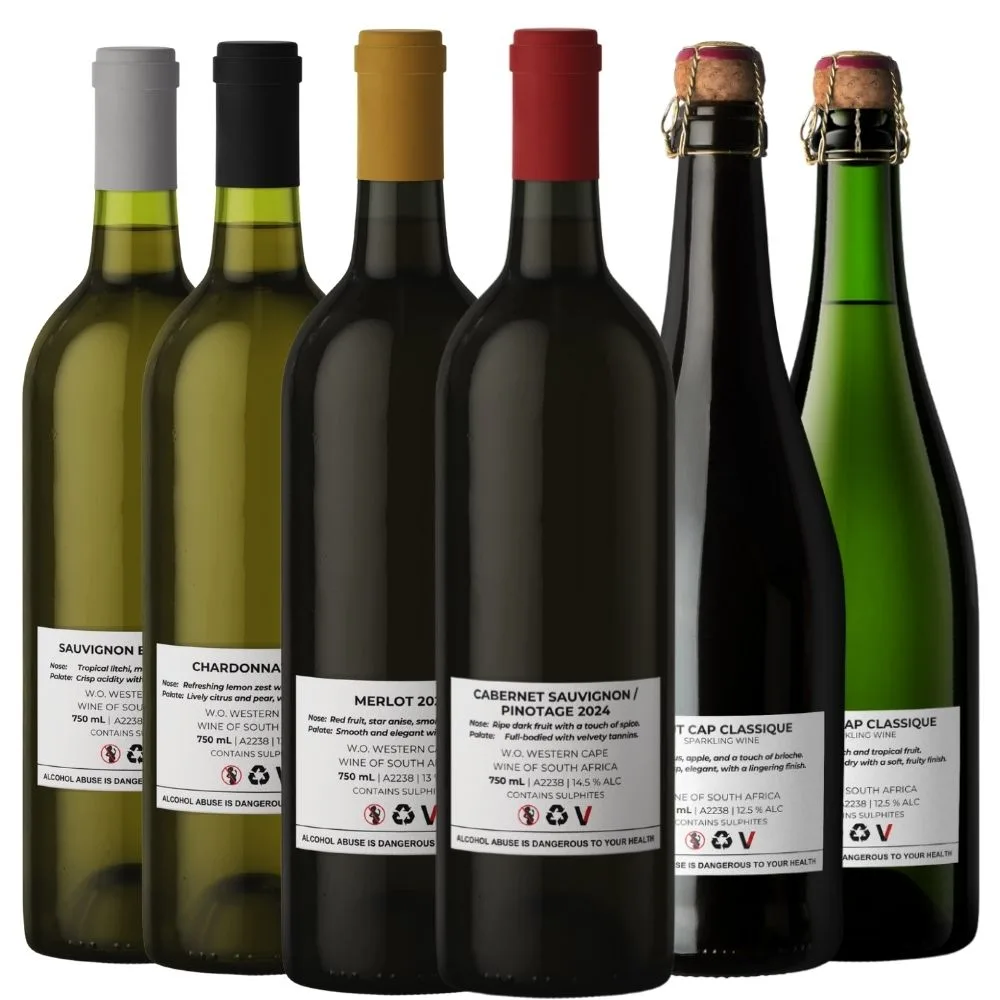
If you have spent any time buying wine online in South Africa, you have probably run into two quite different kinds of shop. Some stock the full spread — hundreds of labelled bottles across every cultivar, plus awards pages, wine clubs, personalised gifting and the rest. Others do one thing: unlabelled wine, sold without the producer’s branding, at a fraction of the cellar-door price.
Both are legitimate. Both deliver good wine to your door. But they are answering different questions, and knowing which question you are asking will save you money and disappointment.
This is a plain-English guide to the difference — what each model is, where unlabelled wine comes from, and how to work out what you are actually paying for.
First, what is “unlabelled” wine?
Unlabelled wine is exactly what it sounds like: good wine, bottled without the original producer’s label on it. It is not lower-grade or “no-name” wine. It is usually surplus or excess stock from established estates that, for one reason or another, the producer would rather not sell under their own name at a discount.
The reasons are commercial, not qualitative. As one of South Africa’s longest-running online merchants explains it, unlabelled wines “came into the market after the South African currency strengthened and many top wine estates could not export their annual wine harvests” — so that stock was redirected to the local market at greatly reduced prices.
So the wine in an unlabelled bottle can be the same wine that sells, labelled, for a good deal more elsewhere. What you give up is the certainty of knowing exactly whose name is on it. What you gain is the price.
The general online wine retailer
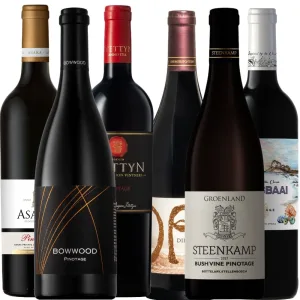
A general (or “generalist”) online wine retailer aims to be a one-stop wine shop. The defining trait is breadth: you can browse by cultivar, by award, by region, by price, and usually buy a single labelled bottle of almost anything.
GetWine is a clear South African example, and a useful one because it is candid about offering both kinds of wine. Founded in 2003 by the Wegner brothers — who, on their own account, started out “selling unlabelled wines to a close-knit community of friends and relatives” — GetWine has grown into a broad retailer that, in its own words, “supplies both labelled and unlabelled wines”.
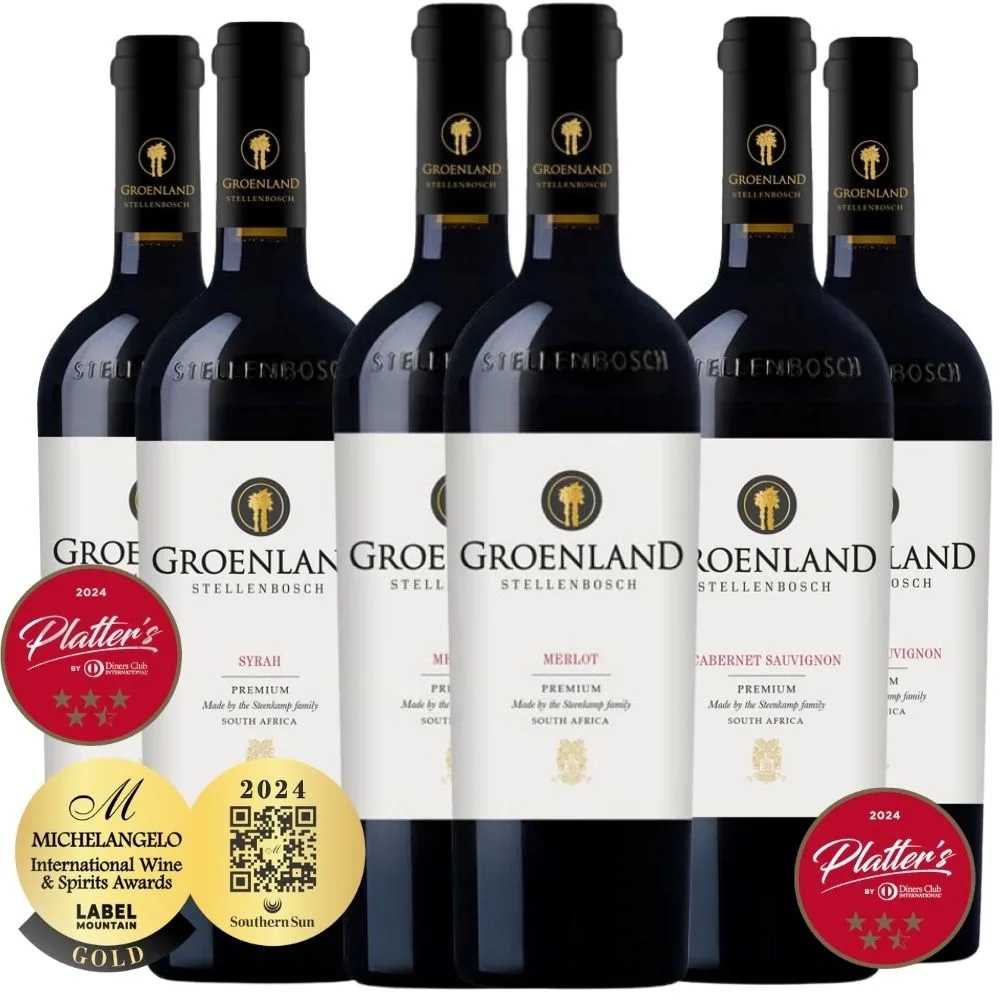
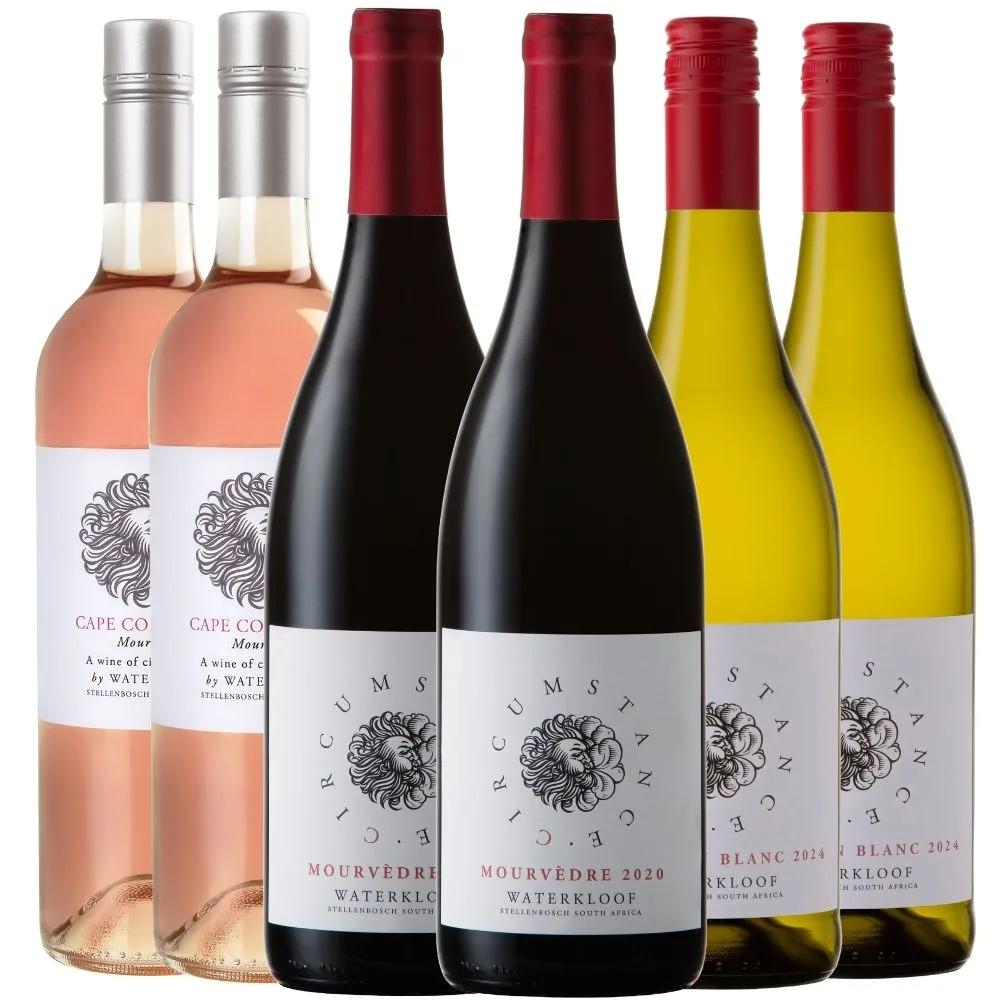
You can see the breadth in the catalogue. GetWine’s site carries a dedicated “Labelled” wine section running to dozens of sub-categories, with large labelled ranges — for example 145 Sauvignon Blanc, 126 Chardonnay, 119 Shiraz/Syrah, 117 Chenin Blanc and 107 Cabernet Sauvignon products listed on its own home page at the time of writing — alongside awards pages (Veritas, Concours Mondial, Winemag reports), a wine club, personalised-label gifting and stemware.
That breadth is the point of a generalist. If you know the exact labelled bottle you want, or you want to shop a Veritas-winners list, or you want one of everything, a generalist is built for you.
What you are paying for with a generalist: choice, brand certainty, and the convenience of finding a specific named wine. Within that range there will be genuinely sharp deals — but unlabelled value is one option on a long menu, not the whole menu.
The unlabelled wine specialist
A specialist does the opposite. Instead of breadth, it commits to the unlabelled model and builds the whole experience around it.
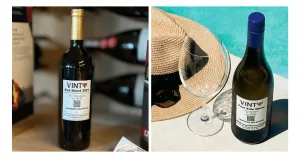
Vinty is built this way. Its lead range, XCellar, is unlabelled surplus wine from top-tier estates — described on Vinty’s own site as “unlabelled surplus from top-tier estates. Cellar-door quality. Tribe pricing”. The pitch is openly about removing the “label tax”: you keep the wine, drop the branding, and pass the saving to the buyer.
Vinty is not unlabelled-only, and it does not pretend to be. It runs a second, deliberately separate range — Lekker Labels — which is the opposite proposition: proudly labelled, hand-picked bottles from named artisan producers, “chosen for quality, character, and the story each one tells”. The two are kept distinct on purpose: XCellar is the mystery/value range, Lekker Labels is the named-producer range. You always know which one you are buying.
What you are paying for with a specialist: depth of focus on the unlabelled model — curation aimed squarely at surplus value, and a buying experience designed around the “discovery” rather than around a giant searchable catalogue.
So how do you choose? A practical checklist
Ask yourself what you actually want from this order.
- “I want a specific labelled bottle by name.” → A generalist is the natural fit. Breadth and brand certainty are exactly what it is for.
- “I want the best wine I can get for the money, and I do not mind which estate’s name is on it.” → An unlabelled specialist is built for this. The whole model is surplus value.
- “I want to browse awards lists, build a personalised gift, or shop by cultivar.” → Generalist. These are breadth features.
- “I want the discovery — a mystery case, a reveal, a deal I would not find on a shelf.” → Specialist. That is the specialist’s home ground.
- “I want both, on different days.” → Reasonable. Many South African buyers use a generalist for known bottles and a specialist for value and discovery.
A few honest caveats before you buy (either way)
- Unlabelled does not mean unknown-quality, but it does mean less certainty about the exact bottle. That trade — a little mystery for a lower price — is the entire deal. If knowing the precise producer matters to you for a given occasion, buy labelled.
- Compare the landed price, not the shelf price. Shipping, minimum case sizes and any membership terms change the real cost. South African online wine is generally sold by the case, so check the case maths.
- Read each merchant’s own terms. Delivery areas, free-delivery thresholds and returns policies differ. Use the merchant’s own site as the source of truth — including this one.
The short version
A general online wine retailer sells breadth: lots of labelled wine, plus some unlabelled value within it. An unlabelled-wine specialist sells depth in one thing: surplus wine without the label, at a surplus price. Neither is “better” in the abstract — they are built for different buyers. Work out which question you are asking, and the choice makes itself.