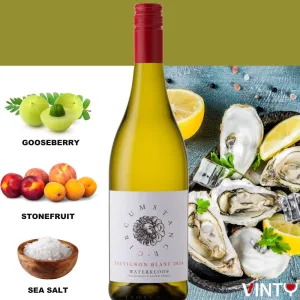
Seven-Month Wild Yeast Barrel Ferment — Coastal Sauvignon Blanc with Real Depth
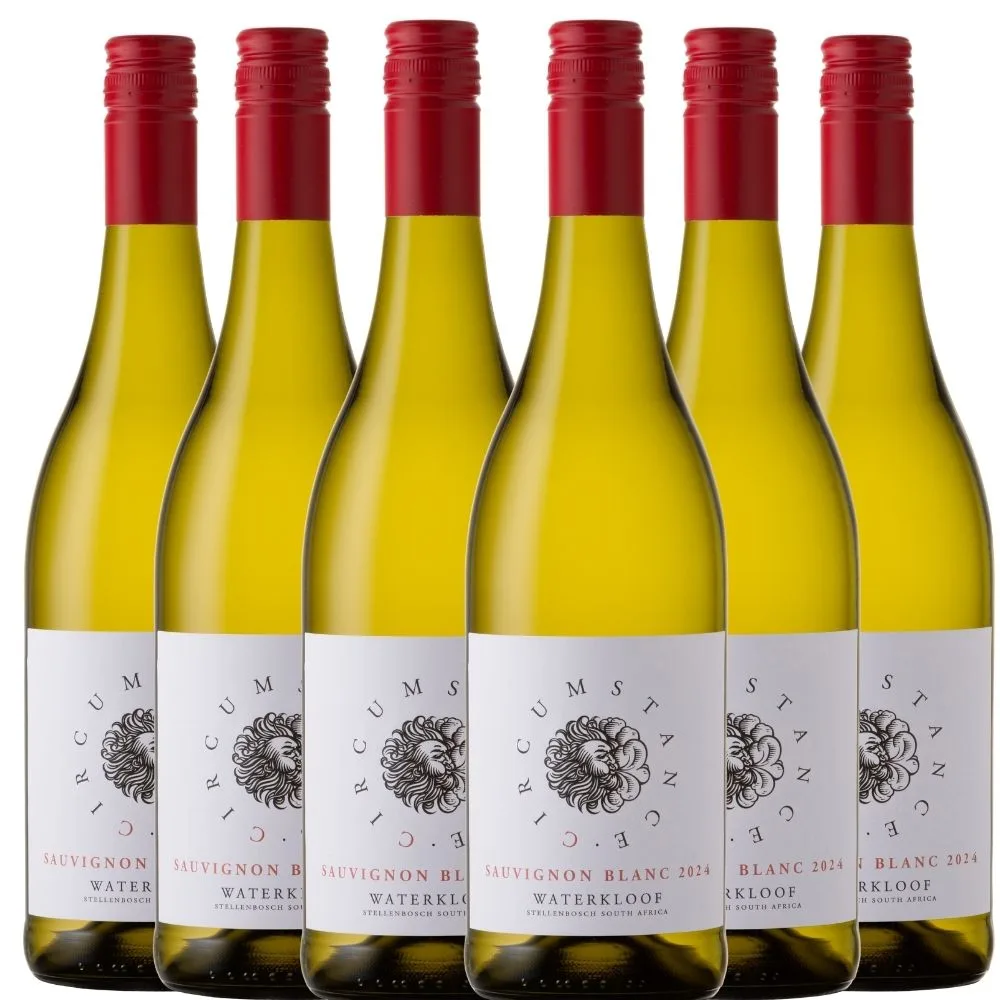
Most Sauvignon Blanc is made in a matter of weeks. This one ferments for seven months in seasoned barrels with nothing but wild yeasts and time. The result is a wine that puts Sauvignon through its paces and comes out the other side as something genuinely complex — crushed laurel, gooseberry, ripe citrus and fennel, with a mineral salinity that’s pure Schapenberg. Previous vintages have scored 94 from Decanter, 92 from Tim Atkin MW and 16/20 from Jancis Robinson (with a Very Good Value designation).
The Waterkloof Estate
Waterkloof was founded in 2004 by Paul Boutinot on the Schapenberg — one of the Cape’s most distinctive coastal wine sites. Demeter-certified biodynamic since 2015 and a WWF Biodiversity Champion, the farm is worked with horses and farmed without compromise. Winemaking happens in a gravity-fed cellar with wild yeast fermentation, minimal intervention and nothing added except a little sulphur before bottling. Tim Atkin’s Cape Classification ranks Waterkloof at 5th Growth level — quietly one of the most important addresses in the Cape.
The vineyards sit 270–300 metres above sea level on the wind-battered Schapenberg, directly facing False Bay and the Atlantic. South-facing blocks, poor granitic soils, dry-farming and the constant Atlantic breeze combine to produce some of the lowest yields in the Cape — and wines with a mineral coastal character you won’t find anywhere else in the Winelands.
Tasting Notes
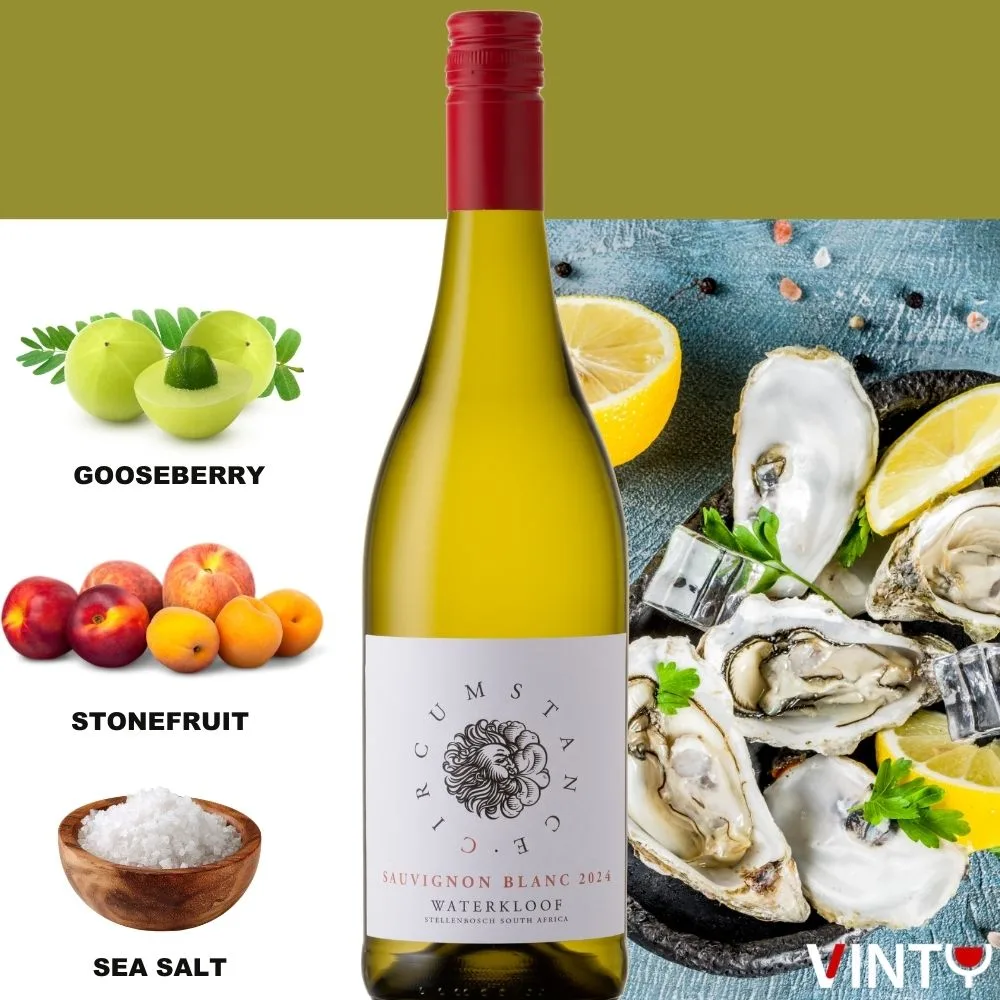
Appearance: Pale straw-gold with a faint green tinge. Nose: Crushed laurels and lime zest on entry, followed by gooseberry, stone fruit and a subtle herbal note — the coastal salinity is there too if you look for it. Palate: Richer and more textured than you would expect from Sauvignon Blanc. Ripe citrus, stone fruit and fennel with a creamy mid-palate from extended barrel contact on lees. The mineral acidity keeps everything precise. Finish: Refreshing and persistent with a stony, sea-salt edge that is unmistakably False Bay.
How It’s Made
Three windswept, south-facing blocks on the Schapenberg — 270–300 metres above sea level, just 2 miles from the Atlantic. The 20-year-old vines produce just 4 tonnes per hectare. Harvested by hand, whole-bunch pressed as gently as possible. After a 24-hour natural settling, the clean juice goes into old 600-litre barrels (90%) and tank (10%), where wild yeast fermentation proceeds for seven months at its own pace. Extended time on gross lees adds the creamy texture that distinguishes this wine from any everyday Sauvignon Blanc. No added acids, no enzymes, no shortcuts. Light filtration. Sulphur only.
Food Pairings
Fresh oysters from Saldanha Bay. Grilled crayfish or line fish. Goat’s cheese tart. Seafood pasta with lemon and herbs. Also brilliant with sushi — the umami of the fish and the mineral salinity of the wine are a natural match.
Awards & Recognition
• Decanter: 94 points (previous vintage)
• Tim Atkin MW: 92 points (previous vintage)
• Jancis Robinson: 16/20 Very Good Value (previous vintage)
Cellaring: Drink now – 2029, peak 2025–2027.
The Circumstance Sauvignon Blanc is Waterkloof’s argument that Sauvignon Blanc doesn’t have to be simple. Seven months of wild yeast fermentation in old barrels — no shortcuts, no rules. Buy it young and enjoy it now, or cellar it for another 3–5 years and see what develops. Available at Vinty.